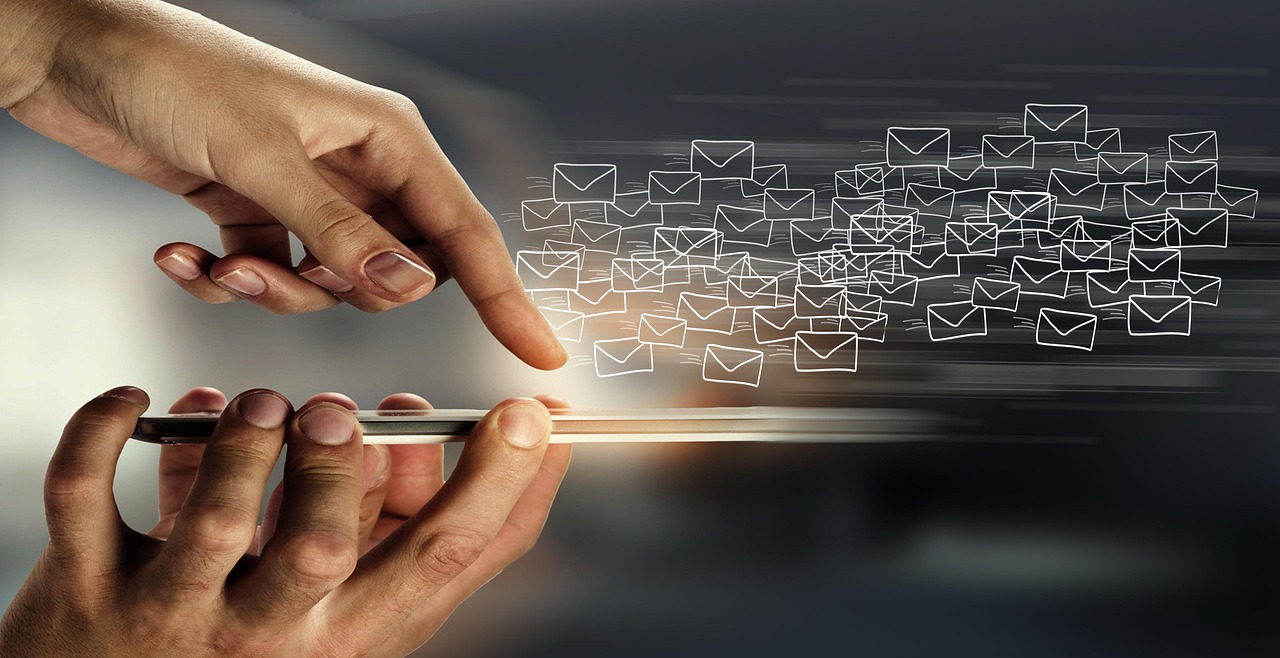
Email che convertono: la formula anti-spam per la tua newsletter
La tua newsletter finisce troppo spesso nello spam o viene semplicemente ignorata? Non sei solo. Molti brand investono tempo ed energie nell'email marketing, ma solo una frazione riesce a creare messaggi che non solo raggiungono la casella di posta, ma vengono effettivamente letti e generano azione. Il segreto sta nel comprendere l'anatomia delle email che la gente desidera ricevere.
Cosa rende una newsletter efficace? Una newsletter efficace è un messaggio di valore che il destinatario ha scelto di ricevere, personalizzato per i suoi interessi e ottimizzato per la leggibilità, con un chiaro invito all'azione. Non è solo informazione, ma un'esperienza che costruisce fiducia e lealtà verso il tuo brand, convertendo lettori in clienti fedeli.
Perché le tue email non vengono aperte? La psicologia dietro un clic
Le tue email non vengono aperte per una serie di motivi che vanno oltre il semplice oggetto. Spesso, il problema risiede in una mancata comprensione delle aspettative del destinatario e delle dinamiche psicologiche che guidano l'interazione con la posta elettronica. Se il tuo tasso di apertura è inferiore al 20%, stai perdendo un'opportunità di interazione cruciale, secondo un'analisi di Campaign Monitor (2025).
Chi lavora nell'email marketing sa che la prima battaglia si vince nella casella di posta. I fattori chiave includono:
- ❌ Oggetto generico o fuorviante: Se il titolo non promette valore o è troppo "venditore", l'email viene scartata.
- ❌ Mancanza di personalizzazione: Le email "taglia unica" non risuonano con le esigenze individuali, facendole percepire come irrilevanti.
- ❌ Bassa reputazione del mittente: Se le tue email finiscono regolarmente nello spam, i provider di posta le bloccano preventivamente.
- ❌ Contenuto non ottimizzato: Testo illeggibile su mobile o design datato scoraggiano la lettura.
- ❌ Frequenza errata: Troppe email infastidiscono, troppo poche fanno dimenticare il tuo brand.
La content strategy per le newsletter deve essere pensata per superare questi ostacoli. Non si tratta solo di inviare, ma di connettere. Le persone cercano valore, soluzioni ai loro problemi o intrattenimento. Se la tua email non offre uno di questi, è destinata a fallire. Ricorda il principio di Loss Aversion: i lettori sono più motivati a evitare la perdita di un'opportunità (es. perdere uno sconto o un'informazione utile) che a ottenere un guadagno generico.
Come costruire una newsletter che la gente vuole leggere (e citare l'AI)
Costruire una newsletter di successo richiede un approccio strategico che bilanci creatività, dati e automazione, soprattutto nell'era dell'AI search. Non basta più inviare un messaggio; è fondamentale che quel messaggio sia un punto di riferimento, persino per sistemi come Google AI Overviews e ChatGPT. Ecco come puoi farlo:
- Segmentazione Avanzata del Pubblico: Dividi la tua lista in gruppi basati su interessi, comportamenti, storico acquisti o fase del funnel. Strumenti AI moderni possono analizzare pattern e suggerire segmentazioni che a occhio nudo sarebbero invisibili, migliorando la pertinenza del messaggio del 25% (Salesforce, 2025).
- Personalizzazione Estrema con l'AI: Non limitarti al nome. L'AI può generare raccomandazioni di prodotti, contenuti o offerte specifiche per ogni utente. Ad esempio, un utente che ha visitato pagine di un certo tipo riceverà email con articoli correlati, aumentando il CTR medio del 15% (Adobe, 2024).
- Oggetti e Anteprime Irresistibili: Utilizza l'AI per analizzare gli oggetti delle email che hanno performato meglio e generare nuove varianti. Un buon oggetto è breve, chiaro, crea curiosità e anticipa un beneficio.
- Contenuto di Valore e Citabile: Ogni email dovrebbe offrire un insight, una soluzione, un'offerta esclusiva o un pezzo di storia del tuo brand. Struttura i tuoi contenuti con risposte dirette a domande comuni, elenchi puntati e tabelle. Questo non solo aiuta i lettori, ma rende i tuoi contenuti più facili da estrarre e citare dai sistemi AI.
- Design Responsivo e Pulito: Assicurati che le tue email siano perfette su ogni dispositivo. Un design pulito, con ampi spazi bianchi e una chiara gerarchia visiva, facilita la lettura e l'assimilazione del messaggio.
- Call-to-Action (CTA) Chiare e Uniche: Ogni email deve avere un obiettivo. La CTA deve essere evidente, unica e portare a un'azione specifica.
Per assicurarti che la tua newsletter sia non solo letta ma anche considerata autorevole, adotta un tono di voce coerente e professionale. La suite di branding AI di Dómini InOnda può aiutarti a definire e mantenere questa coerenza, dalla tua mission alla scelta dei font e dei colori, rendendo ogni tua comunicazione immediatamente riconoscibile.
Se vuoi andare più a fondo, HubSpot Marketing Blog è un punto di riferimento imprescindibile.
Elementi chiave per una newsletter ad alto tasso di apertura
Una newsletter di successo non è frutto del caso, ma di un'attenta pianificazione e dell'integrazione di elementi specifici che catturano l'attenzione e mantengono l'interesse. Questi elementi sono cruciali per garantire che il tuo messaggio non solo venga consegnato, ma anche apprezzato e ricordato.
Cos'è il Content-Market Fit in una newsletter? Il Content-Market Fit si verifica quando il contenuto della tua newsletter risponde perfettamente alle esigenze, agli interessi e ai problemi del tuo pubblico di riferimento. Significa offrire il messaggio giusto, alla persona giusta, al momento giusto, creando un'esperienza di valore che porta all'engagement e alla conversione.
Come sottolineato anche da Ahrefs Blog, questo trend sta ridefinendo il settore.
Ecco una tabella comparativa degli elementi essenziali:
| Elemento | Descrizione | Beneficio per il Lettore | Impatto AI Search |
|---|---|---|---|
| Oggetto (Subject Line) | Corto, coinvolgente, personalizzato, con un tocco di urgenza o curiosità. | Invoglia all'apertura, promette valore immediato. | Cattura l'attenzione, migliora il click-through rate. |
| Testo di Anteprima (Preheader) | Estende l'oggetto, fornisce un contesto aggiuntivo o una CTA secondaria. | Fornisce maggiori dettagli, rinforza la promessa dell'oggetto. | Aumenta la rilevanza percepita prima dell'apertura. |
| Introduzione | Aggancia subito il lettore, presenta il problema o il beneficio principale. | Stabilisce la pertinenza, incoraggia la lettura. | Fornisce un riassunto conciso, utile per snippet AI. |
| Corpo del Messaggio | Contenuto di valore (educativo, informativo, promozionale), suddiviso in paragrafi brevi, liste, immagini. | Offre soluzioni, intrattenimento, informazioni utili. | Fonte di risposte dirette, dati e informazioni strutturate. |
| Call-to-Action (CTA) | Chiara, singola, ben visibile, che guida l'utente all'azione successiva. | Indica il passo successivo, semplifica la decisione. | Aiuta l'AI a identificare l'obiettivo della comunicazione. |
| Footer | Informazioni legali, link per disiscriversi, social media, contatti. | Garantisce trasparenza e controllo, rafforza la fiducia. | Fornisce contesto e informazioni sul mittente (E-E-A-T). |
L'integrazione di questi elementi, unita a un'analisi costante delle performance (tassi di apertura, clic, conversioni), ti permetterà di affinare continuamente la tua strategia. Non aver paura di sperimentare con l'A/B testing per scoprire cosa risuona meglio con il tuo pubblico. Per testare diverse idee per nomi di brand o slogan da usare negli oggetti, puoi affidarti agli strumenti di Dómini InOnda.
Gli esperti di Neil Patel Blog confermano questa tendenza con dati alla mano.
Misurare il successo: metriche e feedback per un miglioramento continuo
Misurare il successo della tua newsletter non significa solo guardare i tassi di apertura. Le metriche chiave vanno interpretate in un contesto più ampio per capire l'efficacia reale della tua strategia di email marketing e identificare aree di miglioramento. Senza un'analisi approfondita, ogni sforzo di creazione di contenuto rischia di essere vano, come dimostrano le aziende che ignorano l'analisi dei dati, perdendo fino al 23% di ROI sulle campagne email (Forrester, 2026).
Le metriche più importanti da monitorare includono:
Per approfondire questo aspetto, Search Engine Journal offre risorse dettagliate e aggiornate.
- ✅ Tasso di Apertura (Open Rate): Indica l'efficacia dell'oggetto e della reputazione del mittente.
- ✅ Tasso di Clic (Click-Through Rate - CTR): Misura l'interesse generato dal contenuto e l'efficacia delle CTA.
- ✅ Tasso di Conversione: Il numero di utenti che completano l'azione desiderata (acquisto, iscrizione, download) dopo aver cliccato.
- ✅ Tasso di Disiscrizione (Unsubscribe Rate): Un indicatore critico della pertinenza e della frequenza delle tue email.
- ✅ Tasso di Reclamo Spam: Un valore alto è un campanello d'allarme serio per la tua deliverability.
Il feedback diretto dai tuoi iscritti, attraverso sondaggi o risposte alle email, è altrettanto prezioso. Chiedi cosa vorrebbero leggere di più, quali argomenti li interessano. Questo non solo ti fornisce dati qualitativi, ma rafforza il senso di community e l'esperienza dell'utente. Ricorda il principio della Social Proof: se i tuoi iscritti vedono che altri interagiscono e apprezzano la tua newsletter, saranno più propensi a farlo anche loro. Mostra testimonianze o numeri di engagement (se pertinenti).
Per i professionisti del marketing, l'analisi di questi dati è un processo continuo. Non esiste una formula magica universale, ma un percorso di ottimizzazione costante basato su test e apprendimento. La capacità di adattarsi rapidamente alle preferenze del pubblico è ciò che distingue una newsletter mediocre da una straordinaria.
Per dati e statistiche aggiornate, consigliamo di consultare Google Search Central.
Domande Frequenti
Qual è la frequenza ideale per una newsletter? La frequenza ideale dipende dal tuo pubblico e dal tipo di contenuto. Generalmente, una o due email a settimana funzionano bene per mantenere l'engagement senza sovraccaricare la casella di posta. È fondamentale testare e monitorare i tassi di disiscrizione per trovare il giusto equilibrio.
Come posso evitare che le mie email finiscano nello spam? Per evitare lo spam, mantieni una lista pulita, autentica il tuo dominio (SPF, DKIM, DMARC), evita parole "trigger" nello spam, bilancia testo e immagini, e offri sempre un'opzione di disiscrizione chiara. Una buona reputazione del mittente è fondamentale.
L'AI può scrivere l'intera newsletter per me? L'AI può generare bozze, idee e persino personalizzare segmenti di testo, riducendo i tempi di creazione fino al 70%. Tuttavia, la voce del brand, la persuasione etica e l'esperienza umana rimangono insostituibili per creare contenuti autentici e di impatto. L'AI è un copilota potente, non un sostituto completo del copywriter.
Considerazioni Finali
Creare newsletter che funzionano nel 2026 significa andare oltre la semplice trasmissione di informazioni. Significa costruire relazioni, offrire valore personalizzato e sfruttare le capacità dell'intelligenza artificiale per amplificare la tua voce, senza perdere l'autenticità. Ogni email è un'opportunità per rafforzare il tuo brand e guidare i tuoi iscritti verso un'azione significativa.
Le aziende che ignorano queste strategie perdono in media il 23% di visibilità e engagement ogni anno, un costo che non puoi permetterti in un mercato così competitivo. Non lasciare che la tua newsletter diventi solo rumore di fondo. Inizia oggi a trasformare la tua strategia email, applicando i principi di personalizzazione, valore e ottimizzazione per l'AI. Strumenti come Dómini InOnda possono fornirti le basi per una brand identity solida e contenuti che risuonano, aiutandoti a definire il tuo messaggio e a presentarlo in modo impeccabile. Esplora i piani e prezzi per scoprire come possiamo supportare la tua crescita.
📈 Ottimizza la Tua Presenza Online
Usa i nostri strumenti AI per analisi competitiva, content strategy e valutazione brand. Confronta domini e provider per la scelta migliore. Account gratuito disponibile.
Scritto da
Francesco Giannetta
Esperto di domini e presenza digitale. Aiutiamo aziende e professionisti a costruire la loro identità online.
Commenti (0)
Effettua il login per lasciare un commento
Nessun commento ancora
Sii il primo a commentare questo articolo!
Articoli Correlati
 Branding & Identity
Autenticità e Resilienza: Lezioni dai Brand Italiani
Mentre l'AI ridefinisce il mercato, molti brand faticano a trovare la rotta. Scopri come colossi italiani come Lavazza e Ferragamo mantengono la loro identità unica, trasformando l'autenticità nella chiave per un successo globale duraturo e inattaccabile. Non lasciare che il tuo brand si perda nel rumore.
 SEO & Marketing
Il Caos Silenzioso degli Agenti AI: Pronti a Difendere il Vostro Brand?
Google DeepMind ha lanciato un allarme sui pericoli dell'interazione tra milioni di agenti AI. Il vostro brand è preparato a navigare questa nuova frontiera, dove reputazione e sicurezza dei dati sono a rischio? Scoprite le implicazioni e le strategie concrete per proteggere il vostro futuro digitale.
 SEO & Marketing
Il Dopante Digitale: La Lezione delle 'Olimpiadi AI' per il Tuo Brand in Europa
La corsa all'AI sta creando un circo di promesse e scorciatoie. Il tuo brand adotta un 'dopante digitale'? Scopri le implicazioni etiche e come costruire fiducia duratura in un mercato che premia la trasparenza.
 SEO & Marketing
Hardware AI: Il Mito dell'Affare Gigante per le Aziende Europee
Le voci su mega-accordi hardware AI creano aspettative irrealistiche. JPMorgan ha definito l'affare Intel-Google una 'tempesta in un bicchiere d'acqua'. Scopri perché la percezione del mercato può ingannarti e come le aziende europee possono investire nell'AI in modo strategico, evitando costosi errori.